Trending
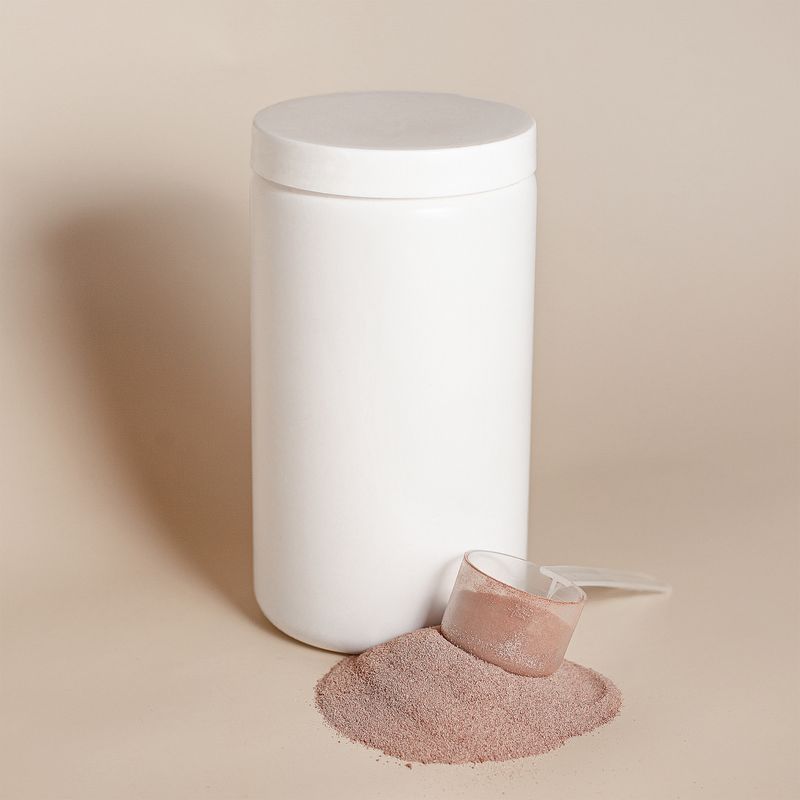
High-protein versions of everyday baked goods — protein muffins, protein banana bread, protein cookies — are everywhere right now. The good news: you don't need a special recipe. Most baked goods can be adapted to carry more protein with three ingredients you likely already know: whey protein powder, egg whites, and Greek yogurt. This guide covers how much of each to use, what actually changes in texture, and where it can go wrong. Once you're adjusting ratios, our measurement converter is handy for converting the extra liquid or protein powder by weight instead of guessing with a cup.
Flour and protein powder look similar but behave nothing alike in a batter. Flour builds structure through gluten — a stretchy protein network that forms when flour's proteins meet liquid. Protein powder (whey, casein, or plant-based) has no gluten at all, and it absorbs far more liquid than flour does gram for gram.
That combination is why a straight swap almost always fails: the batter loses its structural network and dries out at the same time. The fix isn't complicated once you know it's coming — reduce the protein powder's share of the total dry mix, and add back moisture (milk, yogurt, mashed banana, or an extra egg) to compensate.
💡 Baker's tip: Dense, already-moist bakes (brownies, protein bars, dense banana bread) tolerate a lot more protein powder than light, delicate ones (sponge cake, angel food cake) where gluten-free structure is harder to fake.
Replace about 1/3 cup of protein powder for every 1 cup of flour called for in the recipe, keeping the rest as regular flour. This is a safe starting point for cookies, muffins, and quick breads. Some dense recipes — protein bars, some brownie recipes — can go further and replace all of the flour, but expect to test and adjust liquid each time.
Vanilla whey protein concentrate is the easiest to start with: its flavor is mild enough not to fight with most recipes, and concentrate blends more smoothly into batter than isolate does. Unflavored works too if you'd rather not influence the recipe's flavor at all. Plant-based powders (pea, rice) tend to be grittier and more absorbent — if using one, add slightly more liquid than a whey-based recipe would need.
⚠️ Protein powder browns and burns faster than flour at the edges of thin bakes (cookies, thin bars). Check a few minutes early the first time you try a new ratio.
Egg whites are the lowest-risk way to add protein to a recipe, because they're already a normal baking ingredient — you're just shifting the ratio, not introducing something new. Two approaches:
Add 1–2 extra egg whites on top of what the recipe already calls for. This adds protein and a bit of structure (egg whites set firmer than yolks) with almost no flavor change. Best in muffins, pancakes, and quick breads.
Swap 2 egg whites for every 1 whole egg you remove. This raises protein while cutting fat and richness — the trade-off is a slightly firmer, less tender crumb, since yolk fat is what keeps baked goods soft. Works well in pancakes and muffins; less well in rich cakes where the yolk's richness is the point.
💡 If a recipe calls for whipped egg whites (meringue, angel food cake, soufflé), that's already one of the highest-protein-per-volume techniques in baking — the air structure comes entirely from whipped egg white protein.
Greek yogurt is strained to remove much of its whey, which concentrates its protein compared to regular yogurt. It works as a partial substitute for fat or liquid in a recipe, adding protein and moisture at the same time.
Replace up to half the butter or oil in a recipe with an equal amount of plain Greek yogurt (full-fat or 2% works best for texture; nonfat can make bakes gummy). This works particularly well in muffins, banana bread, and other quick breads where a slightly denser, moister crumb isn't a downside.
⚠️ Don't replace all the fat with yogurt — some fat is still needed for tenderness and browning. Replacing more than half tends to produce a gummy, dense result.
| Method | Starting Ratio | Best For | Watch Out For |
|---|---|---|---|
| Whey protein powder | 1/3 cup per 1 cup flour, +1-2 tbsp liquid | Cookies, muffins, quick breads, bars | Dry/dense texture if liquid isn't added back |
| Extra egg whites | +1-2 whites, or 2 whites per 1 whole egg removed | Muffins, pancakes, quick breads | Slightly firmer, less rich crumb |
| Greek yogurt | Up to 1/2 of butter/oil, 1:1 | Muffins, banana bread | Gummy texture if it replaces all the fat |